
Dilapidation Inspections
Document the Condition Before Work Begins
Detailed dilapidation reports delivered by an experienced inspection team for homeowners, builders, developers, owners corporations and neighbouring property owners.


Book a Dilapidation Inspection
CUSTOMER EXPERIENCE HIGHLIGHTS
Why Customers Choose Our Inspections

40+ Years in the Industry
Decades of hands-on experience means nothing gets missed.

3,800+ Victorian Customers
Trusted by thousands of homeowners and buyers across Victoria.

Detailed Photographic Reports
Clear, photo-rich reports delivered the same day as your inspection.

Registered Experienced Team
Our inspectors are fully registered and trained professionals.
CUSTOMER EXPERIENCE HIGHLIGHTS
Why Customers Choose Our Inspections
40+ Years in the Industry
Decades of hands-on experience means nothing gets missed.
3,800+ Victorian Customers
Trusted by thousands of homeowners and buyers across Victoria.
Detailed Photographic Reports
Clear, photo-rich reports delivered the same day as your inspection.
Registered Experienced Team
Our inspectors are fully registered and trained professionals.
EXCELLENTTrustindex verifies that the original source of the review is Google. Michael is excellent. He is so thorough and careful while inspecting our newly purchased property. He also provide recommendations on how to fix the defects. Thanks heaps MichaelPosted on GoogleTrustindex verifies that the original source of the review is Google. Michael’s team are first class Building Inspectors… their pre-purchase building report was full of detail & very useful to determine the quality of potential homes.. money well spentPosted on GoogleTrustindex verifies that the original source of the review is Google. Service was efficient, the report provided was very detailed, appreciated the professional approach and the verbal feedback provided!Posted on GoogleTrustindex verifies that the original source of the review is Google. Prompt, professional service. The report was detailed, photo-heavy, and easy to read., thank you Michael!Posted on GoogleTrustindex verifies that the original source of the review is Google. The representative from MPF Inspection Group was punctual in attending the new apartment which I had requested to do an inspection and report on faults if any . I was completely impressed with the report and photos received and the money spent was well worth while . Thank you Michael for your comprehensive report .Posted on GoogleTrustindex verifies that the original source of the review is Google. Great experience I had with Michael! He is efficient in communication and included great details in report. And the report is completed in prompt time manner before I purchased my investment propertyPosted on GoogleTrustindex verifies that the original source of the review is Google. Great service from the start, building and pest was completed very quickly and was very thorough. The report is very easy to read and it was great to discuss the outcome of the report the following day for any further questions/clarifications.
INTRODUCTION
What Is a Dilapidation Report?
Construction activity can cause vibration, ground movement, dust, impact damage and disputes about when a defect first appeared.
A dilapidation inspection creates an independent record of the property’s condition before demolition, excavation or construction begins.
The report does not predict that damage will occur, and it does not automatically assign responsibility.
It establishes a clear baseline that can be referred to if concerns arise later.
What We Assess
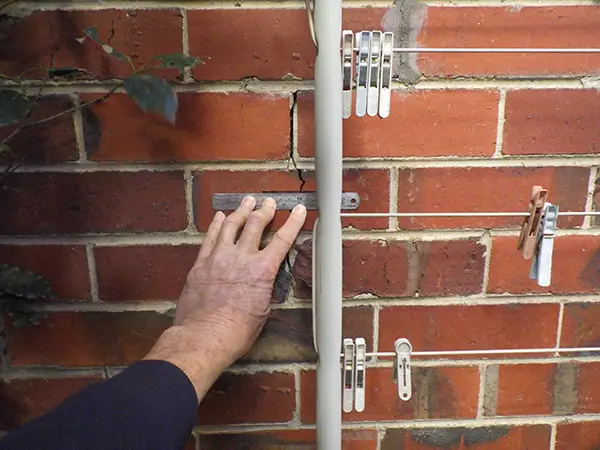
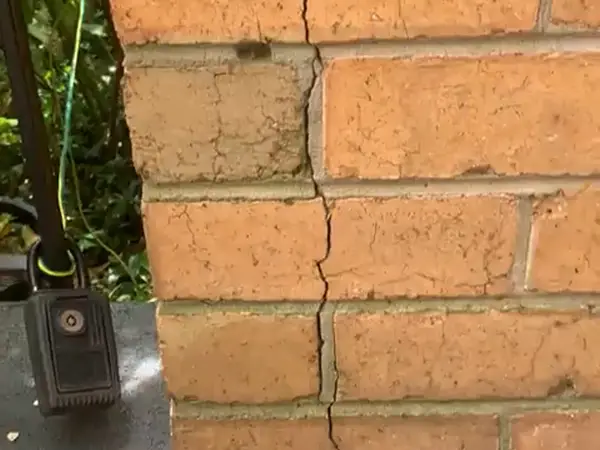
The report includes photographs and written descriptions showing the location and apparent condition of relevant areas at the time of inspection.
- Existing cracks
- Movement or separation
- Walls, ceilings and floors
- Brickwork and external finishes
- Driveways and paving
- Fences and retaining walls
- Windows and doors
- Internal and external finishes
- Existing damage or deterioration
When Is a Dilapidation Report Recommended?
A report may be appropriate before:
- Demolition on a neighbouring property
- Excavation or basement construction
- Major renovation or extension work
- Piling, underpinning or ground works
- Road, drainage or infrastructure works
- Construction involving heavy machinery
- Work adjoining shared walls or boundaries
- Work within an apartment building or owners corporation
- Commercial construction near existing properties
Reports can be commissioned by the party carrying out the work or by a neighbouring property owner seeking an independent record.
Why It Matters
Without a pre-construction record, disagreements can quickly become a battle of memory.
Was that crack already there? Was the wall leaning before excavation began? Did the neighbouring work cause the damage?
A dilapidation report replaces uncertain recollections with dated photographic evidence.
Backed by more than 40 years of industry experience, the MPF team understands the importance of capturing the condition of the property carefully and methodically before work begins.
That record can help protect property owners, builders and developers while creating a fairer basis for resolving future concerns.
SIMPLE PROCESS
How the Process Works
01
Gather Neighbour Details
We first collect contact details for the neighbours surrounding the subject site to arrange inspection times.
02
Notify Residents
For apartment buildings, we drop leaflets into residents' letterboxes offering three possible inspection dates, including one Saturday option.
03
Inspection and Reporting
The inspection is carried out and the report is sent to the builder, along with a Dropbox link containing all photos taken on-site.
04
Invoice Sent
The invoice is issued once the work has been completed.
FREQUENTLY ASKED QUESTIONS?
Dilapidation Report Questions
What is a dilapidation report?
A dilapidation report (also called a property condition survey) is a documented record of a property’s existing condition, captured in photos and notes before nearby construction, demolition, or excavation work begins. It’s used as independent evidence if a dispute arises over whether new damage was caused by the works next door.
Why do I need a dilapidation report in Melbourne?
If you’re a builder, developer, or homeowner with work planned near a boundary, a dilapidation report protects you from being held responsible for cracks or damage that already existed before you started. It also protects neighbouring property owners by giving them a documented baseline of their property’s condition, so any genuine new damage can be identified fairly.
Is a dilapidation report a legal requirement in Victoria?
Many Melbourne councils require a dilapidation report as part of a development application or building permit, particularly for projects involving excavation, demolition, or construction close to a boundary. Requirements vary by council and project type, so it’s worth checking with your specific council or builder.
Who pays for a dilapidation report - the builder or the homeowner?
Typically, the builder or developer carrying out the works arranges and pays for the dilapidation report, since it’s primarily there to protect their position. Homeowners can also request their own independent report for additional peace of mind.
What does a dilapidation inspection cover?
We inspect and photograph the existing condition of neighbouring properties, including walls, ceilings, floors, fences, driveways, retaining walls, and any council assets like footpaths or kerbing near the site. Every defect found is itemised with photographic evidence.
How long does a dilapidation inspection take, and when do I get the report?
Most inspections take one to two hours depending on the size and number of properties involved. We complete and send the written report on the same day, along with a Dropbox link containing all photos taken during the inspection.
Can I get a dilapidation report after construction has already started?
It’s best to have one completed before any work begins, since the entire purpose is to establish a clear, independent record of pre-existing conditions. Reports done after work has started carry far less weight in a dispute, as there’s no longer a clean baseline to compare against.
How do you arrange access to the neighbouring properties?
We contact the neighbours directly to arrange a suitable inspection time. For apartment buildings or multi-unit sites, we drop leaflets into residents’ letterboxes offering a few possible dates, including a weekend option, to make access as easy as possible for everyone involved.
Create a Clear Record Before the First Machine Arrives
Arrange a dilapidation inspection before demolition, excavation or construction begins.